


Organizing an event with international speakers always requires a proper approach to communication. One of the key questions is what format to choose: online or offline translation. The comfort of participants, the quality of information perception, and the overall level of the event depend on this.
In this article, we will discuss the differences between online and offline translation, their advantages, and in which cases each format is better to choose.
Online translation refers to the process of translating text or speech using tools and services that are accessible via the internet. This typically involves using websites or applications that have large databases of words, phrases, and grammatical structures, along with advanced algorithms to provide translations in real-time. Examples include Google Translate, DeepL, and various other online translation platforms. Offline translation, on the other hand, is the process of translating text or speech without an active internet connection. This is usually achieved through translation software or applications that have been downloaded and installed on a device (like a smartphone, tablet, or computer). These offline tools contain pre-downloaded language packs and translation engines that allow for translation to occur locally on the device. While often convenient for situations with no internet access, offline translations may sometimes be less accurate or comprehensive than their online counterparts due to the limitations of on-device processing power and the size of the downloaded language data.
Online interpreting is a format in which an interpreter connects remotely via platforms like Zoom or Microsoft Teams and performs simultaneous or consecutive interpreting in real-time. This approach is particularly relevant for remote meetings and international communications where participants are in different countries.
On-site translation involves the personal presence of a translator at the event venue. This could be a conference, business meeting, negotiation, or forum. In this case, the specialist works directly with the participants, which allows for better control of the process and consideration of all communication nuances.
Pros of online translation
The online format is becoming increasingly in-demand due to its flexibility and accessibility. First and foremost, it allows for significant cost reduction, as the need for arranging flights, accommodation, and logistics for the translator is eliminated. This is particularly important for companies that regularly hold international meetings.
In addition, online translation is significantly easier and faster to organize. In most cases, it is sufficient to agree on the time and format in advance, after which the interpreter can connect to the event from anywhere in the world. This provides access to specialists with narrow specializations who may not be available in a particular city or country.
It is also worth noting the convenience for online events. Webinars, remote negotiations, and training sessions are organically combined with the remote format. An interpreter for online meetings easily integrates into the process and ensures full communication between participants.

Disadvantages of online translation
Despite the obvious advantages, online translation also has its limitations. First and foremost is the dependence on the quality of the internet connection. Any technical glitches, audio delays, or disconnections can negatively affect the perception of information and the overall impression of the event.
The remote format also complicates the control over the translation process. It is more difficult for organizers to respond promptly to technical or organizational issues, and interaction with the translator becomes less flexible.
Another important aspect is the reduction in engagement. The online format doesn't always convey the atmosphere of the event, the emotions of the speakers, or the audience's reaction. As a result, communication can be perceived as less lively and natural.
Pros of offline translation
Offline interpretation remains a classic and most reliable format, especially for significant events. The interpreter's personal presence allows them to delve deeper into the context of what is happening, take into account non-verbal cues, intonations, and audience reactions. This directly impacts the accuracy and quality of meaning transfer.
This format is particularly important for business negotiations, where not only words but also communication nuances matter. A translator can quickly adapt to the situation, clarify wording, and ensure the most accurate communication between parties.
Additionally, the offline format is ideal for large-scale events such as conferences and forums. Simultaneous interpretation with equipment is often used here, which ensures comfortable information reception for a large number of participants.
It is also important that the personal presence of a translator enhances the status of the event. This creates a sense of a serious approach to organization and strengthens the trust of participants and partners.
Disadvantages of offline translation
The main factor to consider is the higher cost compared to the online format. In addition to the translator's fee, the budget may include expenses for transportation, accommodation, and on-site work organization.
Also, offline translation requires more thorough preparation. It is necessary to coordinate all the details of the event in advance, including the translation format, technical equipment, and work schedule. This increases the organization timeline and requires closer interaction with the service provider.
Additionally, geography can be a limitation. In some cases, it can be more difficult to find a suitable specialist in the required city, especially when it comes to rare languages or niche subjects.
Online or offline translation: what to choose
The choice between online and offline translation always depends on the specific tasks of an event. If it's about a remote format, a limited budget, or the need to quickly organize the process, online translation becomes the optimal solution. It ensures sufficient communication quality at minimal cost.
At the same time, offline translation is better suited for events where status, accuracy, and a high level of interaction between participants are important. These can include conferences, business negotiations, or meetings with partners, where the cost of error is particularly high.
In practice, the choice of format is often determined by a balance between budget, technical capabilities, and quality requirements of the translation. That is why it is important to discuss all the details with a professional translator in advance.
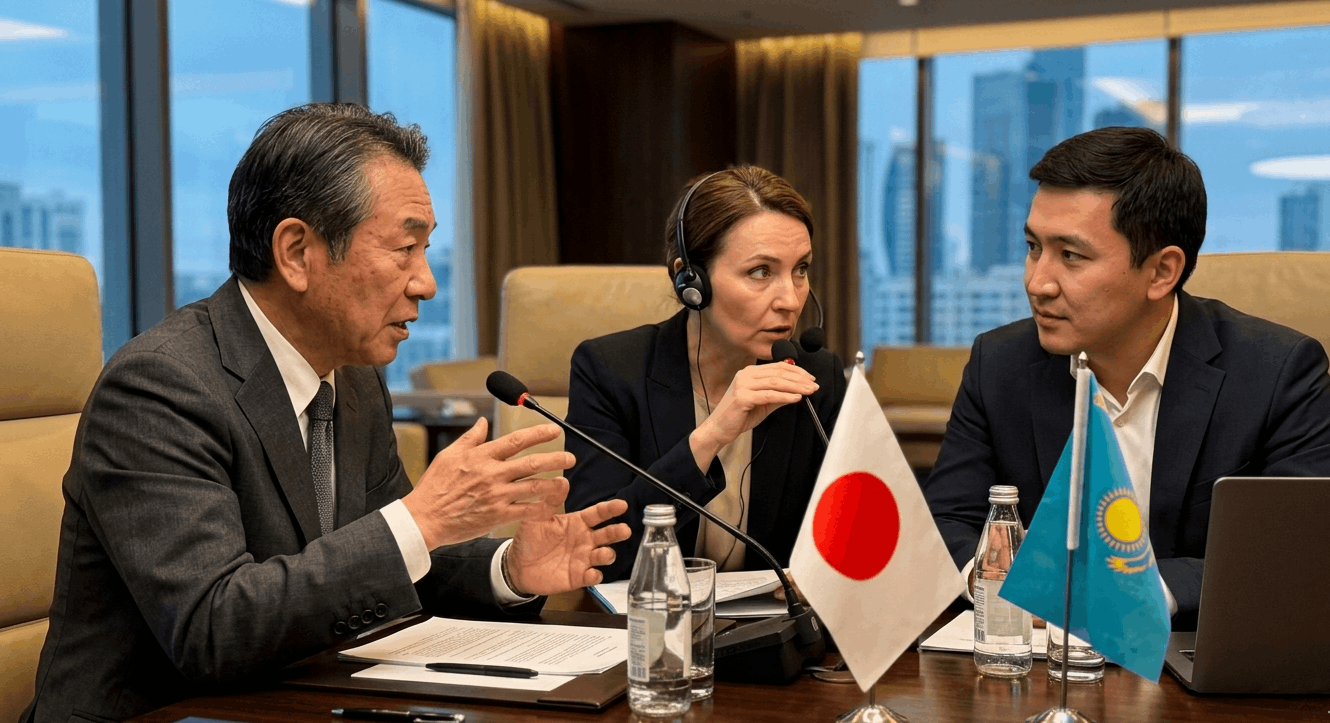
Simultaneous and consecutive interpretation in different formats
Both online and offline formats can include various types of oral interpretation. Simultaneous interpretation is more often used at large-scale events where it's important to ensure a continuous flow of information without pauses. It is used less often in an online environment and requires special technical solutions.
Consecutive interpretation, on the other hand, is versatile and well-suited for both online and offline formats. It is widely used in negotiations, business meetings, and small events where accuracy and the ability to clarify details are important.
Thus, the choice between simultaneous and consecutive interpreting also depends on the format of the event and the communication objectives.
Why is it important to choose a professional translator
Regardless of whether you choose an online or offline format, the level of the specialist plays a key role, not so much the format itself. A professional translator ensures the accurate conveyance of meaning, correctly handles terminology, and adapts to the specifics of a particular event—be it business negotiations, a conference, or an online meeting.
An experienced specialist prepares for work in advance: they study materials, familiarize themselves with the subject matter, and coordinate details with the client. This helps avoid misunderstandings and ensures comfortable communication between participants. That is why, when choosing interpreting services, it is important to focus not only on the format but also on the interpreter's professionalism.
Both online and offline translation have their strengths and weaknesses. The online format offers flexibility, speed, and cost savings, while offline translation provides a higher level of quality, engagement, and control.
The optimal choice always depends on the event's objectives, scale, and communication requirements. A well-thought-out approach to choosing the format ensures effective interaction among participants and helps achieve the set goals.