

Translation is the art of understanding and conveying meaning. This is especially noticeable in spoken form, where not only words, but also emotions, pace of speech, and cultural context are important. Among the many types of interpreting, two key ones stand out — synchronous и Consecutive translation. Both are in demand but are used in different situations. To choose the right format, it's important to understand their differences, advantages, and features.
A brief history of oral interpretation
Oral interpretation has existed for as long as international communication has. But simultaneous interpretation In its current form, it appeared relatively recently – during the Nuremberg trials in 1945, when it was necessary to simultaneously translate speeches into several languages. At that time, the first sound transmission systems with headphones and microphones were developed.
Consecutive translation has deeper roots. It was used in diplomatic negotiations, trade deals, and cultural exchanges long before the advent of technical means. This format is still valued for its accuracy and the possibility of live interaction between participants.
What is simultaneous interpretation
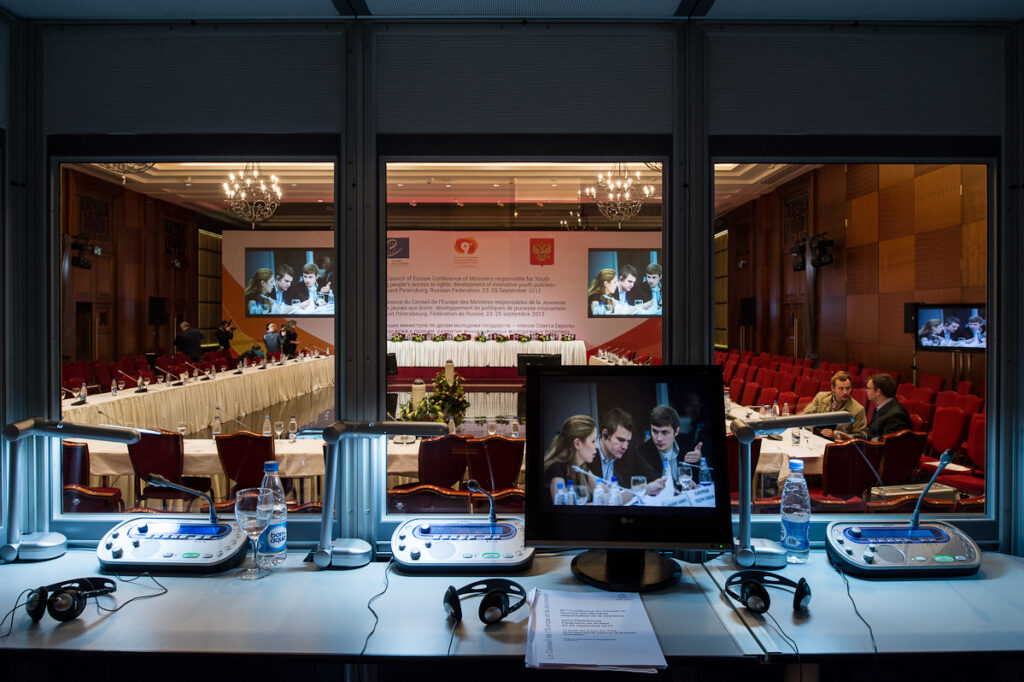
Simultaneous interpretation — This is a process where the interpreter speaks almost simultaneously with the speaker, with a minimal delay of a few seconds. The interpreter is located in a special soundproof booth, hears the speech through headphones, and transmits the interpretation to the listeners, who also use headsets.
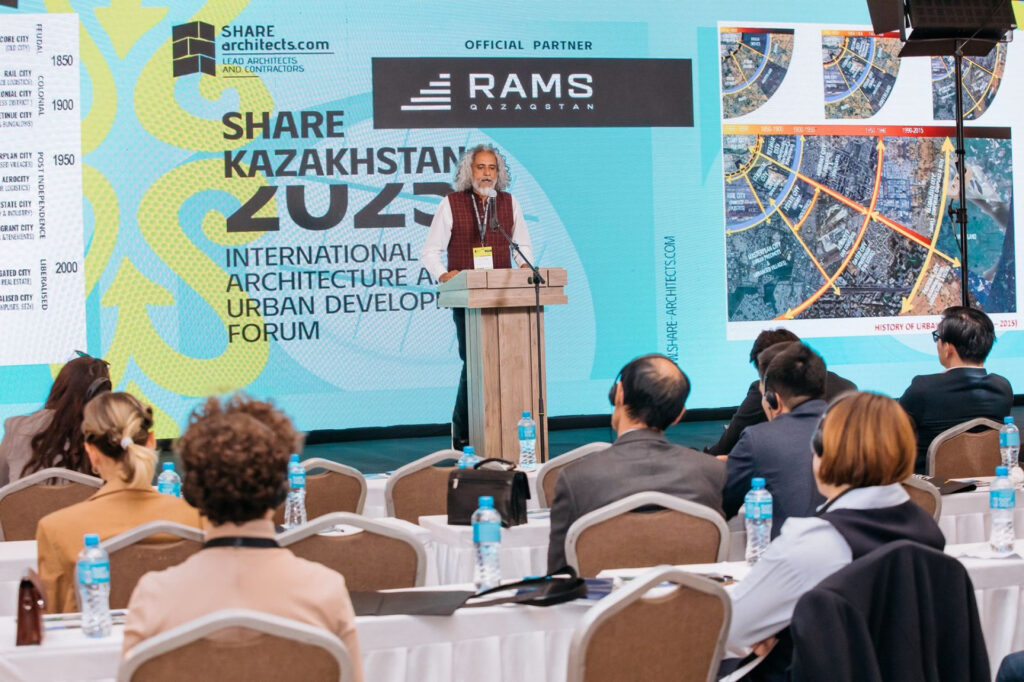
This format is used where speed and dynamics are important. For example:
- international conferences and forums;
- presentations and summits;
- live streams and webinars;
- Large corporate events.
Advantages of simultaneous interpretation:
- Saves time — no need to pause for translation;
- listener comfort — everyone hears speech in their own language without delays;
- Ability to translate to multiple languages simultaneously;
- Maintaining the natural pace of a speech.

However, simultaneous interpretation requires meticulous preparation. Equipment, technical specialists, and a team of professional interpreters who work in shifts due to the high workload are necessary.
Sequential translation
Consecutive translation — this is a format where the interpreter listens to a segment of speech, takes notes, and then conveys the meaning in another language. It does not require equipment and is suitable for more intimate events.
In practice, it is often used for:

- in business negotiations and meetings;
- interviews and press conferences;
- excursions and master classes;
- accompanying foreign delegations.
Advantages of consecutive interpreting:
- High accuracy in conveying meaning and terms;
- no need for technical means;
- the opportunity to establish personal contact between participants;
- flexibility and mobility—a translator can accompany a client anywhere.
A disadvantage is the increased duration of the event, as the interpreter speaks after each of the speaker's remarks.
The main differences between simultaneous and consecutive interpreting
The difference between these formats lies not only in the execution technique but also in the nature of interaction.
Simultaneous interpretation refers to continuous streamThe translator works in real-time, which requires exceptional concentration and stress tolerance.
Consecutive translation is more conversational and a flexible process. The interpreter has time to comprehend what is said, make notes, and convey not only the meaning but also the emotions, maintaining the natural flow of communication.
In short: simultaneous interpreting is speed and dynamism, while consecutive interpreting is accuracy and human interaction.
How to choose the right translation format
The choice depends on the purpose, format, and scale of the event. To decide, it's worth answering a few questions:
- How many participants?
If the audience is large and the speech needs to be delivered in several languages simultaneously, simultaneous interpretation is the better choice. - What is the meeting format?
For personal negotiations, business conversations, or excursions, the consecutive option is more convenient. - Is there equipment and technical support??
Synchronous requires preparation and costs, whereas a sequential format can be conducted «in the field.».
What's more important - speed or accuracy?
Synchronous is suitable when tempo is valued, and sequential is when every detail is critical.
Example:
If you are organizing an international forum where speakers present to hundreds of attendees, the optimal solution would be simultaneous interpretation.
And if a meeting of the heads of two companies, discussion of a contract, or a tour of the production facilities is planned, then the ideal option is Consecutive translation.
Modern technologies in simultaneous interpreting
With the development of digital platforms, simultaneous and consecutive interpretation has gained new opportunities. Today, translators work not only in conference rooms but also online. Services have emerged that allow for the integration of simultaneous interpretation into video conferences, broadcasts, and webinars.
For example, remote simultaneous interpretation (RSI) is often used for online events. Remote Simultaneous Interpretationwhen the interpreter works from a studio and listeners connect to the interpretation via the internet.
Consecutive translation is also integrated into modern platforms: the interpreter can communicate with participants via video conferencing, remaining in another city or country.
Why the professionalism of the interpreter is important
Regardless of the format you choose, success depends on Translator. A mistake in a word, a misconstrued nuance, or a pause can change the impression of an entire speech.
Professional Interpreter
- possesses terminology in a specific industry (technical, legal, medical);
- It preserves the structure and rhythm of speech;
- capable of instantly adapting phrases to the cultural nuances of the audience;
- Possesses stress resistance and a high reaction speed.
This is precisely why interpreting services require not just language knowledge, but real experience and training. The level of the specialist determines how accurate and natural the communication between the parties will be.
Conclusion
Simultaneous and consecutive interpretation — these are two paths to the same goal: to ensure understanding and trust between people who speak different languages.
If you want the event to proceed at its usual pace, without interruptions, choose synchronous format. If personal contact, attention to detail, and flexibility are important, then it's better suited Consecutive translation.
The most important thing is to entrust the task to professionals, as the success of negotiations, conferences, and international projects often depends on the quality of the translation.