


The success of any international event largely depends on how harmoniously all its participants work together — organizers, interpreters, and speakers. Even perfectly selected equipment and experienced specialists will not be able to ensure quality simultaneous interpretation, if there is no interaction between the speaker and the interpreter.
To ensure smooth communication at a conference or forum, it's important to prepare both parties for collaboration in advance.
Why is preparation for synchronous operation so important?
Simultaneous interpretation — a highly complex process where everything happens in real time. The interpreter hears the speaker's words and almost simultaneously relays them into another language. Any inaccuracy, acceleration in pace, or speech impediment can affect the audience's comprehension.
Speakers often don't take into account the specifics of simultaneous interpretation – they speak too fast, use complex abbreviations, or change the presentation at the last minute. As a result, even an experienced interpreter struggles to adapt on the fly.
Proper preparation allows:
- maintain accuracy of information transfer;
- Make the presentation understandable and comfortable for all participants.;
- to avoid technical and organizational hitches.
How to prepare speakers for simultaneous interpretation
A speaker's work with simultaneous interpreters requires a certain discipline and understanding of the translation principle. Even if the speaker is not presenting for the first time, it is worth reminding them of the key rules in advance.
Moderate speaking pace
It takes time for a translator to process what they've heard and convey the meaning in another language. Too fast a pace deprives them of the ability to maintain accuracy. The optimal speed is 100–120 words per minute.
2. Clear diction and speech structure
Don't «eat» your endings, speak in a half-voice, or move away from the microphone. It's better to take short, meaningful pauses—they help both listeners and translators.
3. Provision of materials in advance
Translators should receive presentations, texts, terms, and proper names at least 1–2 days before the event. This is particularly important for technical, scientific, or legal reports.
4. Using the microphone correctly
The microphone should be at mouth level, without being covered by a hand. Any noises (clicking, tapping, breathing) interfere with sound transmission to the interpreter's booth.
5. Consideration of translation lag
Simultaneous interpretation always has a minimal delay of 1-2 seconds. If the speaker asks the audience a question or expects a reaction, it's worth waiting a few seconds to allow all participants to hear the translation.
How to prepare interpreters for simultaneous work
Even professional simultaneous interpreters need to prepare for a specific event. Each performance has its own characteristics — theme, vocabulary, pace, and structure.
Before starting work, translators must:
- Get the event program.
This helps distribute the load and get acquainted with the report topics in advance. - Review the presentations and materials.
Terms, names, and abbreviations – all of these need to be worked out so as not to waste time searching for equivalents during the presentation. - Study the context and goals of the event.
A conference, training session, negotiation, or online forum requires different approaches and speaking styles. - Check the equipment in advance.
Translators should test the console, microphone, and headset to ensure correct audio transmission. - Coordinate teamwork.
Usually, simultaneous interpretation is performed in a pair. Translators agree on the order of shifts, topic distribution, and methods of mutual assistance during performances. - Prepare a glossary.
For technical or scientific reports, a special list of terms is created to unify translations between translators.
How to establish cooperation between a speaker and an interpreter
Even if both sides are well-prepared, it is important to establish live contact between them.
Before the event, it's useful to have a brief introduction: the speaker can talk about their speaking style, and the interpreter can clarify nuances in the pronunciation of names or terms.
Organizers should consider:
- Briefing before the conference kickoff;
- contact person (coordinator) through whom information can be quickly passed to translators;
- the ability to quickly exchange materials (flash drive, tablet, email).
Such coordination minimizes the risks of misunderstanding and makes the performance more professional.
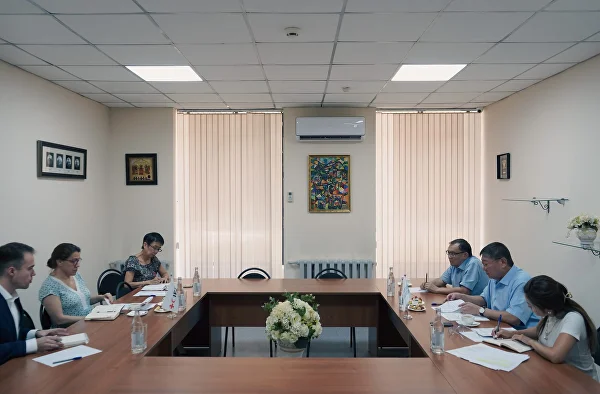
Role of the Organizer: What to Prepare in Advance
Preparation for simultaneous interpretation is the responsibility not only of speakers and interpreters, but also of the event organizers. It is they who must create comfortable conditions for both parties.
What's important to consider:
- Workstations for translators. They must be soundproofed, equipped with ventilation, and have a direct view of the stage.
- Sound and equipment test. Microphone, radio, and headset checks are mandatory before the performance begins.
- Technical Support. An engineer must be present on site to monitor audio transmission quality.
- Timing and schedule. Translators must know the shift schedule and break times to maintain concentration.
Common mistakes to avoid
- Late submission of materials. The translator doesn't have time to familiarize themselves with the topic and works «blind.».
- Lack of contact between the speaker and the interpreter. This results in inaccuracies and a loss of logic.
- The speaking pace is too fast. Even an experienced interpreter cannot translate words that are spoken without pauses.
- Unaccounted technical factors. Interference, bad sound, and background noise all hinder the comprehension of the translation.
- Ignoring the coordinator's role. Without a link between the speaker, the technical equipment, and the interpreter, the risk of malfunctions increases.
Practical recommendations for perfect synchronous work
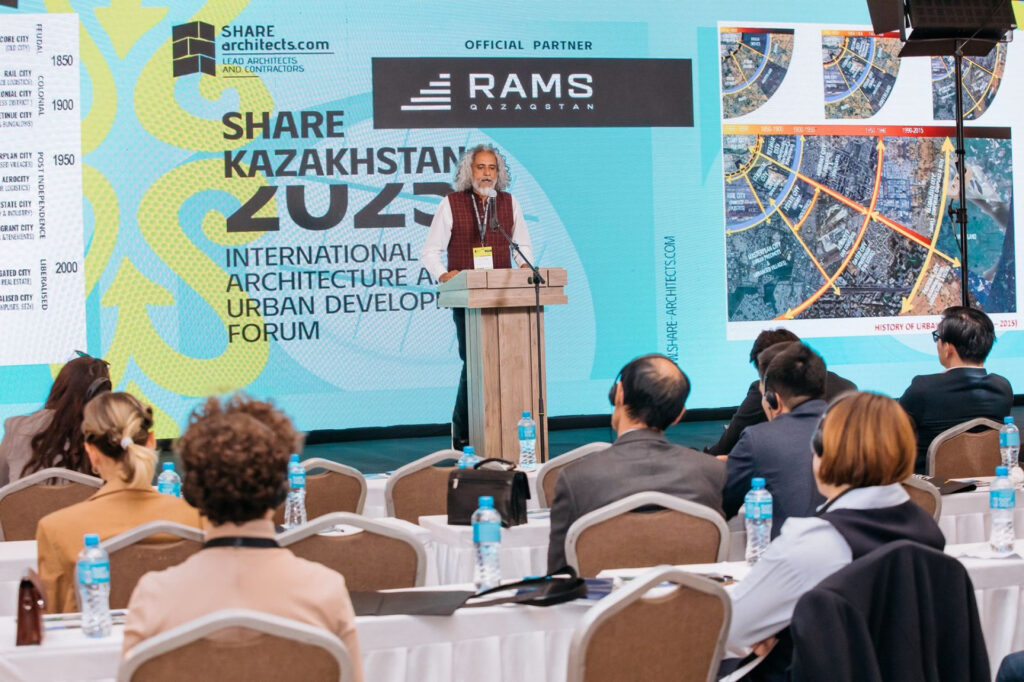
To ensure the event goes smoothly, organizers should follow a few simple steps:
- submit all materials to the translators at least 2-3 days before the event;
- Organize a preliminary technical test with translators and speakers;
- ensure a stable audio channel and high-quality microphones;
- to agree on working shifts and breaks in advance;
- Remind the speakers to maintain a moderate pace of speech.
Conclusion
Simultaneous interpreting is not just about translating words; it's a team effort where every detail matters.
When speakers and translators are prepared, and organizers have ensured the technical and organizational conditions, the presentation goes smoothly, and the audience gains a full understanding and comfortable perception of the information.
Literate Preparation for synchronous operation — the key to a successful international event, where every word is heard clearly and accurately, regardless of language.