

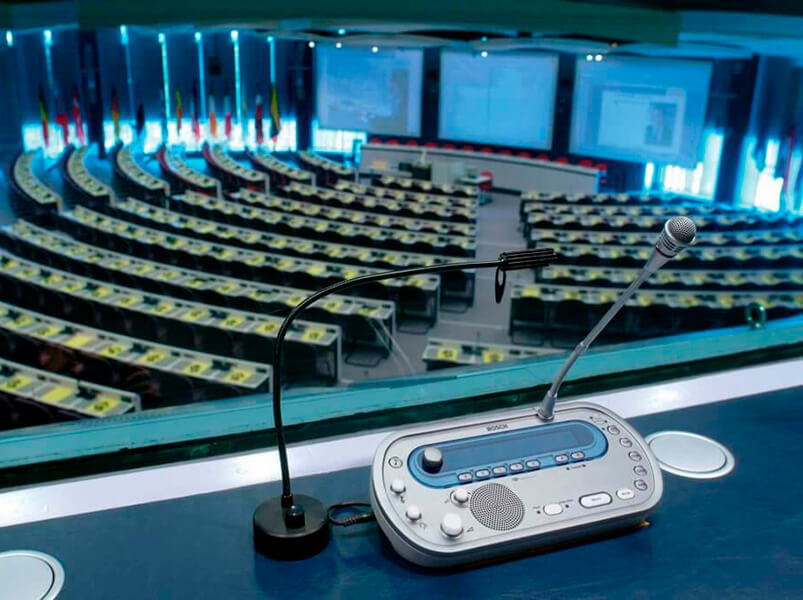
Simultaneous interpretation is a technology that makes international conferences, forums, and business meetings understandable to participants who speak different languages. However, the quality of interpretation depends directly not only on the professionalism of the interpreter, but also on technical equipment.
From the right choice Simultaneous interpretation equipment The convenience of the listeners, the clarity of the sound, and the effectiveness of the entire event depend on it.
Why is it important to choose the right equipment?
Even the best interpreter cannot work effectively if the equipment is set up incorrectly or does not match the venue's format. The continuity of speech, the comfort of participants, and the accuracy of perception are all the result of well-coordinated work. Simultaneous interpretation technical system.
Errors in equipment selection can lead to:
- interference and sound interruption;
- channel mismatches;
- inconvenience for listeners (e.g., if there are not enough headsets or radio channels overlap);
- translator fatigue due to poor cabin acoustics.
To avoid similar situations, it is important to understand what the system consists of and what parameters to consider when renting or buying.
Synchronous interpretation equipment consists of:
Modern Simultaneous interpretation systems include several mandatory elements that work as a single unit.
- Translation booth.
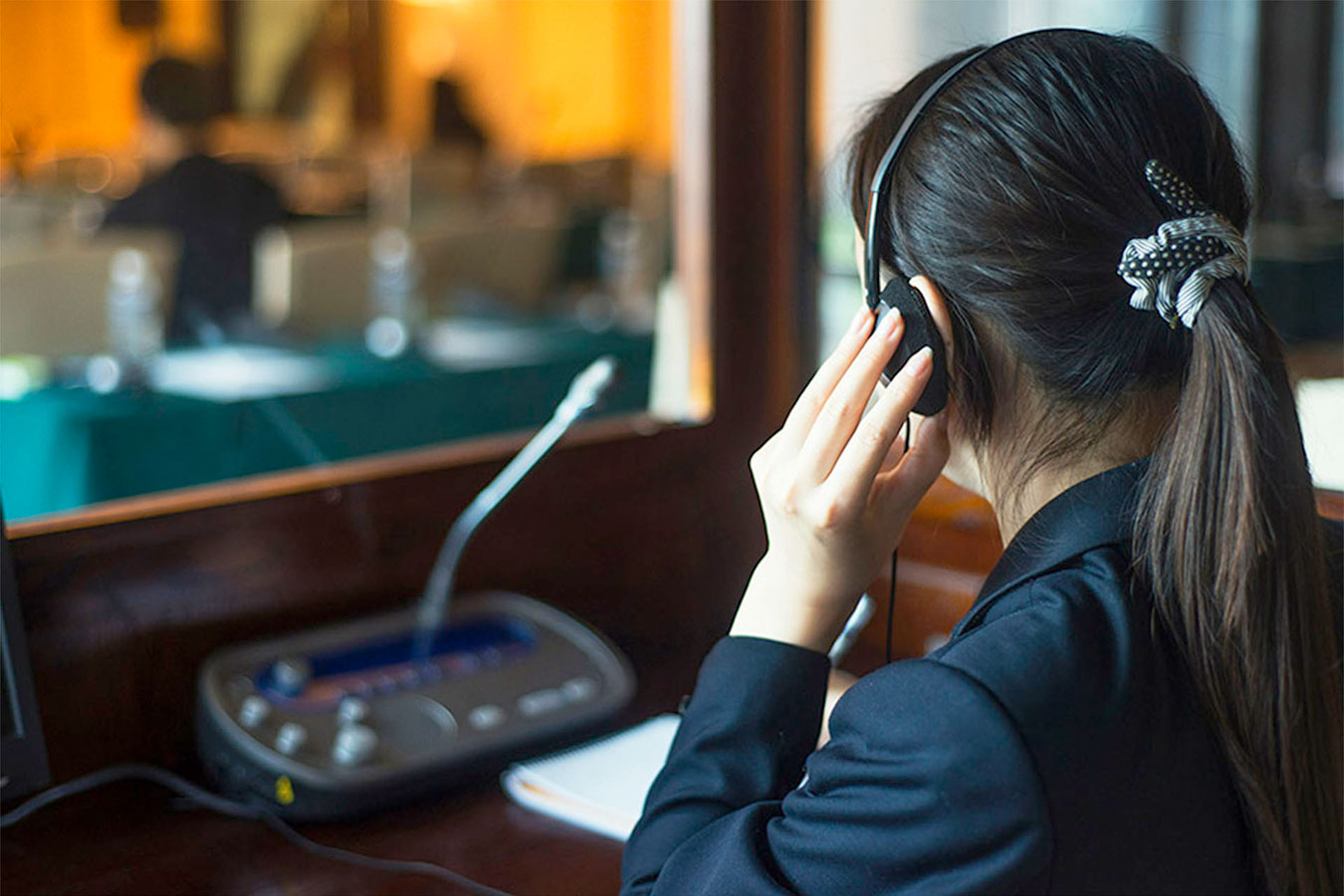
A soundproof space where interpreters work. The booth protects them from external noise and ensures concentration. According to ISO 4043 standard, it must have ventilation, lighting, comfortable seating, and a control panel with a microphone and headphones. - Translator console.
A special device through which the interpreter controls volume, selects channels, and transmits speech to listeners. Modern consoles allow for two people to work, so specialists can take turns. - Transmitter and radio system.
They provide audio transmission from the interpreter to the listeners. This can be an infrared or a radio system. The former ensures stable operation in rooms without radio interference, while the latter is suitable for large halls and outdoor events. - Receivers and headphones for listeners.
Each participant receives an individual receiver where they can select the desired language. The quality of the reception and the comfort of the headset directly affect the impression of the event. - Audio and conference equipment.
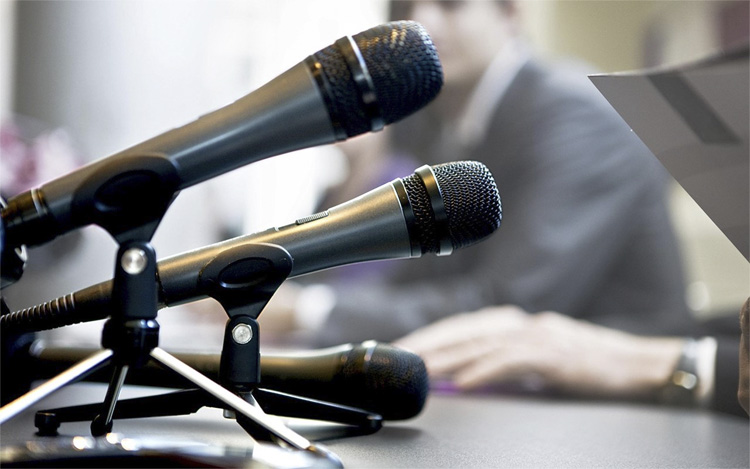
Microphones, mixers, amplifiers, speaker systems, moderator consoles – all of these ensure clear and consistent sound.

Types of equipment: what to choose
Equipment for simultaneous interpretation is divided by the method of signal transmission and format of use.
Infrared systems
They operate based on light waves that do not go beyond the room's premises. This protects against radio interference and ensures confidentiality.
Suitable for: conferences, forums, official events in halls.
Radio systems
They transmit signals over long distances and can be used even in open areas.
Suitable for: exhibitions, excursions, street events, off-site meetings.
Wired and wireless solutions
Wired systems provide a stable connection but limit mobility. Wireless options are more convenient if flexibility and quick movement of participants are required.
How to calculate the quantity of equipment
Before ordering, it is important to correctly determine the technical parameters. Calculation errors can lead to a shortage of kits or system overload.
Recommended to consider:
- Number of participants. It is necessary to provide a stock of sets (usually +10% to the total number).
- Number of languages. Each language requires a separate translation channel.
- Hall size and acoustics. The larger the room, the more powerful the radio system needs to be.
- Translator placement. If the booths are far from the stage, additional video and audio connections may be required.
Practical advice for the client
When choosing equipment for simultaneous interpretation, you should pay attention to the following points:
- Sound quality. Before the event, be sure to test the system: the sound should be clear, without echo or delays.
- Compliance with standards. The equipment must comply with international ISO standards, especially if the event is official.
- Trusted brands. Reliable manufacturers: Bosch, Sennheiser, Televic, Taiden, Shure. Their systems work stably and are supported by service.
- Technical support. Even high-quality equipment requires professional setup. It is advisable for the rental to include the presence of an engineer on-site.
- Equipment compatibility. Please specify if the location has a mixer, audio outputs, connection points for a cabin, and power supplies.
Renting Equipment vs. Buying: What's More Profitable
For most events, it's more cost-effective simultaneous interpretation equipment rental, than buying. Purchasing is justified if the company regularly holds conferences or has its own conference room.
The advantages of renting are obvious:
- no need to store and maintain equipment;
- You can always get modern models.;
- The technical specialist is responsible for setup, configuration, and day-of event support.
If the organization plans to use the equipment frequently (e.g., a training center or a permanent forum), it is worth considering purchasing a kit with the possibility of subsequent upgrades or expansion.
Modern Solutions and Digital Technologies
In recent years, has become increasingly popular Remote simultaneous interpretation (Remote Simultaneous InterpretationIt allows connecting online interpreters, and participants listen to the translation via the platform or a mobile app.
This is used for:
- Interpreter's microphone and console;
- stable internet channel;
- specialized software (Zoom, Interprefy, Kudo, etc.).
RSI is particularly relevant for online conferences and international events where the physical presence of interpreters is impossible. However, it requires good sound quality and technical preparation no less than a traditional system.
Conclusion
Choice Simultaneous interpretation equipment — an important stage in the preparation of any international event. The quality of sound, the comfort of listeners, and the effectiveness of communication depend on it.
To avoid mistakes, it is worth:
- Determine the format and scope of the event.;
- Calculate the required number of sets.;
- choose a suitable system type (infrared, radio, or hybrid);
- trust the setup to professionals.
Properly selected equipment and an experienced technical team will ensure stable translation operation, allowing participants to focus on content rather than technical details.