


Consecutive interpreting is one of the most in-demand forms of interpreting in business and official communication. It is used where accuracy in conveying meaning, an individual approach, and a trusting atmosphere of communication are important.
Unlike simultaneous interpretation, where the translation sounds concurrently with the speaker's speech, consecutive interpretation is performed after the speaker completes a part of their presentation.
What is consecutive interpretation
Consecutive interpretation is a format in which the interpreter listens to a speech, takes notes, and then reproduces what was said in another language. This approach requires not only excellent language skills but also the ability to work with memory, quickly structure information, and maintain the original intonation.
The translator acts as an intermediary between parties, ensuring mutual understanding and accurate conveyance of content, including emotions and professional nuances of speech.
When simultaneous interpreting is chosen
This type of translation is optimal for events where communication proceeds at a calm pace and personal contact between participants is required.
In practice, consecutive interpretation is used in the following cases:
-
Negotiations and Business Meetings — when it's important not only to convey words but also to maintain trust between partners.
-
Press conferences, interviews, presentations — where the translator becomes part of public communication.
-
Court and Notary Actions — where accuracy and legal correctness of wording are required.
-
Medical consultations and scientific visits — when working with terminology and a limited number of participants.
-
Official ceremonies and receptions — where the correct transmission of etiquette and phrasing is important.
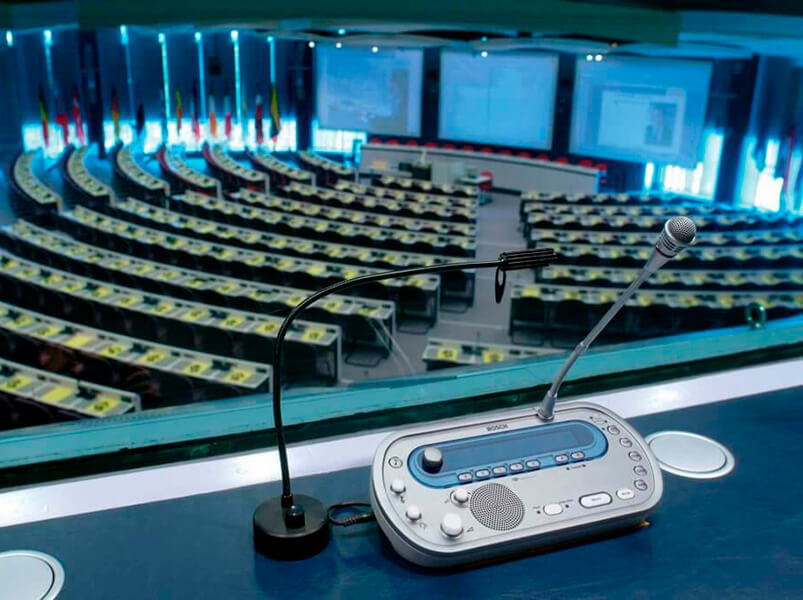
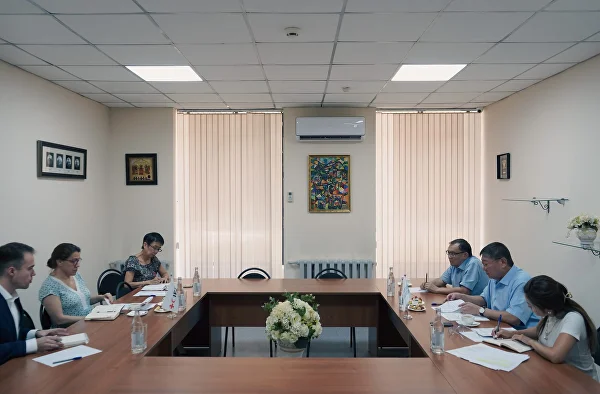
If a meeting involves 2-3 people and the format encourages natural dialogue, consecutive interpreting will be the most convenient solution.
Consecutive translation is suitable for:
Consecutive translation is chosen when the event involves live interaction, direct dialogue, and a small number of participants.
It ensures high-quality communication without haste or technical complexities.
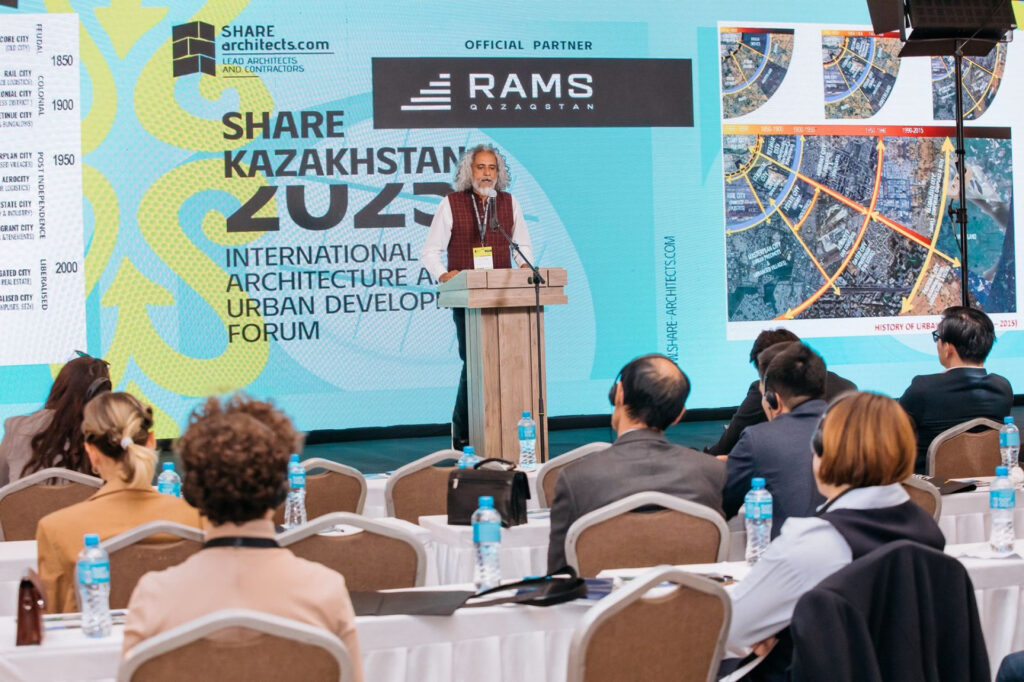
This format is especially suitable for:
-
Business spheres. Negotiations with foreign partners, project presentations, business trips.
-
Government structures and international organizations. Meetings, briefings, visits by foreign delegations.
-
Educational and scientific environment. International conferences, lectures, research defenses.
-
Medicine. Consultations with foreign specialists, discussions of clinical cases.
Consecutive interpretation is especially in demand in Kazakhstan and CIS countries, where accuracy, correctness of phrasing, and personal contact between participants are valued.
How does consecutive interpreting work
The work of a professional interpreter in consecutive interpretation is structured in clear stages:
-
Preparation. The translator studies the materials, terminology, and objectives of the meeting, and if necessary, agrees on the glossary and presentation specifics.
-
Work during the event. In the process of speaking, they make notes, highlight key ideas, and structure information.
-
Translation transfer. After completing the semantic block, it reproduces the translation as accurately as possible, preserving the style, logic, and intonation of the original.
-
Escort. If necessary, helps parties in informal communication after the official part, clarifying details and wording.
This approach ensures accuracy and confidence for all parties in the communication outcome.
Advantages of Consecutive Interpretation
Despite taking more time than synchronous, this format has a number of obvious advantages:
-
Maximum accuracy and control. The interpreter hears the entire utterance and conveys the meaning, taking into account context, terminology, and intonation.
-
Work flexibility. Could we clarify the details and adapt the speech for the audience and event style?.
-
Lack of technical difficulties. No equipment for simultaneous interpretation (booths, headsets, consoles) is required, which reduces costs.
-
Effective collaboration. There is direct contact between the interpreter, speaker, and audience – this is particularly important in negotiations and high-level meetings.
- Suitable for small groups. The format does not overwhelm participants and creates a comfortable atmosphere for communication.
Features of professional translator training
Working in consecutive interpretation mode requires special preparation. The interpreter must:
-
to master the shorthand system and memorization techniques;
-
to be able to identify key ideas and maintain the structure of speech;
-
possess emotional resilience and diplomacy;
-
to have in-depth knowledge of the meeting's subject matter – from economics to medicine and law.
An experienced specialist doesn't just translate words, but helps parties reach mutual understanding, preserving the meaning, intonation, and cultural nuances of communication.
Mistakes when choosing a translation format
Sometimes clients make mistakes when choosing a translation format, and this reduces the effectiveness of the event.
Common mistakes include:
-
selection of simultaneous interpretation for intimate meetings and negotiations;
-
underestimation of the importance of personal contact between participants;
-
savings on specialist qualification;
-
Lack of preparation and briefing before the event.
An experienced interpreter will always help determine the optimal format — simultaneous or consecutive — taking into account the goals, topic, and format of your event.
When is consecutive translation better than simultaneous translation

Simultaneous interpretation is indispensable for large forums and conferences where presentations are delivered without pauses. However, if the event is intimate, dialog-oriented, and focused on interaction, the consecutive format will be preferable.
It allows for building rapport, discussing details without the rush, and adapting speech to the listeners. This is particularly relevant for meetings with foreign delegations, contract signings, and business trips.
Results
Consecutive interpreting is not just voicing words in another language. It is an art of precise communication that requires high qualifications, attention, and responsibility.
When choosing a professional interpreter for consecutive interpreting, you provide your event with not only linguistic accuracy, but also comfort, trust, and mutual understanding among participants.